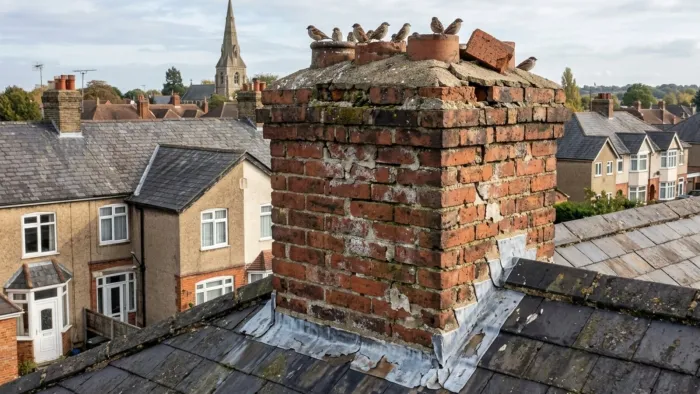
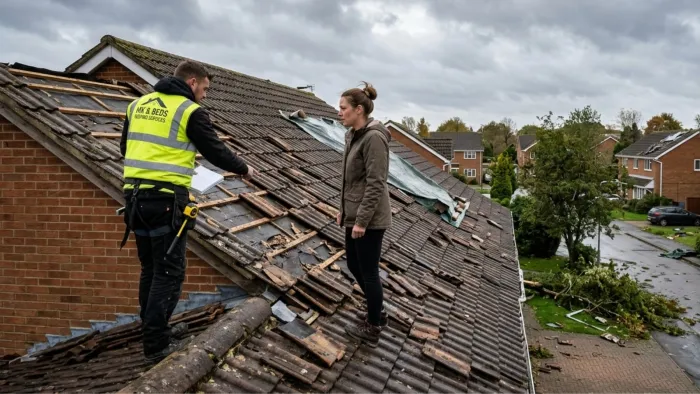
The storm has passed, the wind has dropped, and now you are standing in the garden in the grey morning light, looking up at a gap in your roof where tiles used to be. Or worse, standing in the spare room, listening to something drip.
Every named storm that crosses the country leaves a scatter of this behind it across Milton Keynes and Bedfordshire: ridge tiles in flower beds, felt flapping on garage roofs, and households suddenly needing to make good decisions quickly on a subject they have never thought about.
This is the plan for those first 24 hours, from a firm that answers the phone through every storm the night it happens. Follow it in order, and you will protect your family, your house, and your insurance claim, in that sequence.
Hour One: Safety, Then Containment
Stay off ladders and away from the drop zone. More people are hurt after storms than during them, and the leading causes are homeowners on ladders in gusty aftermath winds and debris falling from damaged roofs. Slipped tiles and loose ridge sections can go without warning. Keep children, pets, cars, and yourself clear of the area below any visible damage, and leave the roof itself absolutely alone.
Indoors, manage the water. Buckets and towels under active drips, furniture and electronics moved clear, and electricity off at the consumer unit for any circuit near saturated ceilings or light fittings. If a ceiling bulges with held water, pierce the centre of the bulge with a screwdriver over a bucket. It feels wrong and prevents the whole ceiling coming down at once, which is considerably worse.
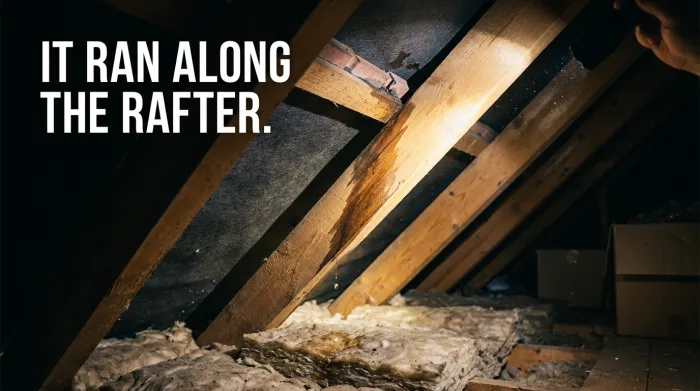
In the loft, if safely reachable, a torch check shows where water is entering, and a bucket on the insulation catches it nearest the source. Do not walk joists in poor light over wet timber; the loft hatch view is often enough.
Hours Two To Six: Document Everything, Touch Nothing
Before any repair, temporary or permanent, build the evidence file. Storm claims succeed or fail on documentation, and the documentation window is now, while the damage is fresh and undeniably storm-shaped.
- Photograph the roof from every safe ground angle, zoomed and wide. Include neighbouring context: the fence down next door and the debris across the street establish that a storm event occurred.
- Photograph every fallen tile and fragment where it landed before tidying anything.
- Photograph all interior damage: ceilings, walls, soaked carpets, damaged belongings, with something for scale.
- Note the date and time, and save a screenshot of the weather warning or local news coverage of the storm. Insurers define storms by measurable conditions, and contemporaneous records make that argument for you.
- Check your policy documents for the claims line and any requirement to notify within a set period, and make contact promptly even if the full picture is not yet clear.
Insurers cover sudden storm damage; they resist paying for long-term neglect that a storm merely exposed. Clear photographs of cleanly snapped tiles and fresh damage draw that line in your favour. A professional roofer’s report, which comes as part of our free surveys, closes the argument.
The Same Day: Professional Make-Safe
The purpose of emergency work is not to fix the roof. It is to stop the situation from compounding while the proper repair is arranged and any claim progresses.
Professional make-safe typically means secured tarpaulins over breaches, temporary battening, removal or securing of hanging tiles and ridge sections, and clearing gutters and valleys of storm debris so the next rain drains instead of pooling. Expect £150 to £500 for most emergency attendances, depending on access and conditions, and expect an honest firm to quote the permanent repair separately in daylight and calm weather, with photographs of everything they found.
That permanent conversation then follows the normal rules: repair versus replace as covered in our repairs guide, and if the storm has written off an ageing roof entirely, the honest economics in our new roof cost guide.
This is also the moment 24/7 availability stops being a website boast. Storm damage does not schedule itself for Tuesday morning, and a firm that answers at 11 pm on the night, as we do across Milton Keynes and Bedfordshire, is worth having in your phone before you need it.
The Vultures Arrive Around Day Two
One more thing arrives with every storm, a day or two behind the wind: the knock at the door. Unfamiliar vans, “working in the area,” spare capacity today only, cash preferred, and they have already spotted something worrying on your roof.
After-storm door-knockers are the single richest source of roofing complaints in Britain. The pattern ends the same way every time: money gone, damage worsened or invented, phone dead. The defence is absolute and simple: never commission roof work from anyone who initiates the contact. Choose your own firm, verify its insurance and Companies House registration, and get everything in writing. Our full vetting checklist takes twenty minutes and filters out effectively all of them.
A genuinely useful habit for any storm-prone street: agree with a couple of neighbours to photograph each other’s rooflines once a year. Nothing establishes fresh damage like a picture of the roof intact last spring, and it starves the “loose tiles up there, mate” opening of its power.
Frequently Asked Questions About Storm Damage
What should I do first after storm damage?
Safety: keep everyone clear below the damage, manage water indoors, kill power to affected circuits. Then photograph everything before anything moves. Repairs come third.
Does home insurance cover storm damage to roofs?
Sudden storm damage, generally yes; gradual wear, no. Date-stamped photos, the weather record, and a professional report are what move a claim from argument to approval.
How much does emergency roof repair cost?
Make-safe attendance typically costs £150 to £500, with the permanent repair quoted separately after a full assessment. Beware anyone quoting the whole job from a storm-night doorstep.
Should I claim or self-fund the repair?
Get the written repair quote first, then weigh it against your excess and premium history. Small repairs often favour self-funding; substantial damage belongs with the insurer.
How do I avoid rogue traders after storms?
One rule covers it: never hire the knock at the door. Select and verify your own firm: insurance certificate, company registration, written quote. Twenty minutes, every time.
Do you offer emergency storm repairs near me?
Yes, 24/7 across Milton Keynes, Leighton Buzzard, Dunstable, Bedford, and the surrounding areas: make-safe attendance, full documentation for your insurer, and guaranteed permanent repairs to follow.
Have The Number Before The Wind
Storm nights go better for households that prepared in the boring calm: gutters clear (our guttering guide explains why that matters in high wind), loose tiles fixed in autumn rather than found in the lawn in January, and a verified local roofer’s number already in the phone.
Aquatight Roofing Solutions is that number for homes across Milton Keynes and Bedfordshire: fully insured, UK registered, available 24/7, with free surveys, written pricing, and workmanship we guarantee, in fair weather and foul.